
State Department clears Egypt to buy NASAMS in $4.7B deal
"The proposed sale will improve Egypt’s capability to meet current and future threats by improving its ability to detect various air threats," according to the notice from DSCA.
"The proposed sale will improve Egypt’s capability to meet current and future threats by improving its ability to detect various air threats," according to the notice from DSCA.

In a new executive order, President Donald Trump ordered the Pentagon to move forward on missile defense, though the details are still thin.



Drones, high-speed cruise missiles, and ballistic missiles attacking together from 360° creates complexity only certain radars can handle.

High-speed cruise and ballistic missiles and drones attacking from different directions simultaneously is the challenge that radars must meet today.

"Having a manufacturing complex in Australia will enable production of solid rocket motors for ourselves, firstly and then ultimately, from an export perspective, to our allies and partners around the world. And there is, at the moment, an inability to meet that demand," David Goodrich, Anduril Australia CEO, told Breaking Defense.

“We have never seen more demand for these weapons as we have in the last year-plus,” said Paul Ferraro, Raytheon president of Air & Space Defense Systems.


Consolidate network monitoring, performance management, and fault isolation into a single, comprehensive solution.
“We need to increase spending in simple systems that we need a huge volume of that can, basically, counter very low-tech drones that could pose a threat," Norway's top officer told Breaking Defense, "so we don't end up using the most sophisticated missile systems against something that is very cheap to buy."
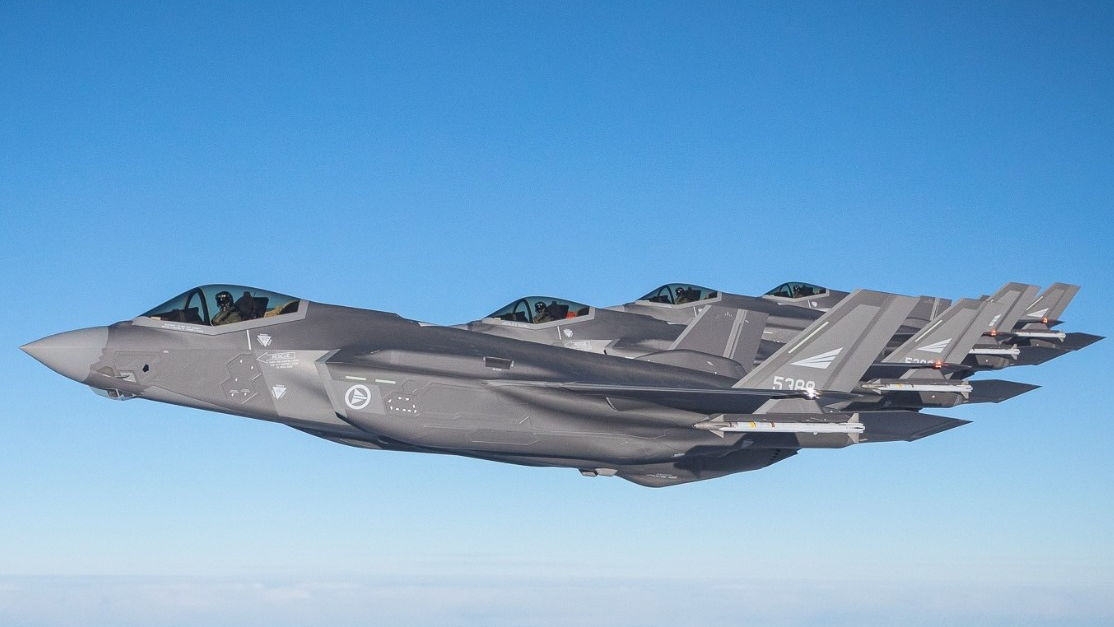
With emphasis on frigates and subs, the plan "represents a historic boost in defence spending, and involves a significant strengthening of all branches of the Armed Forces," said Prime Minister Jonas Gahr Støre.

If all options are exercised under the contract, the European nations will buy a combined total of 1,000 Patriot Guidance Enhanced Missiles (GEM-T), according to manufacturer RTX.
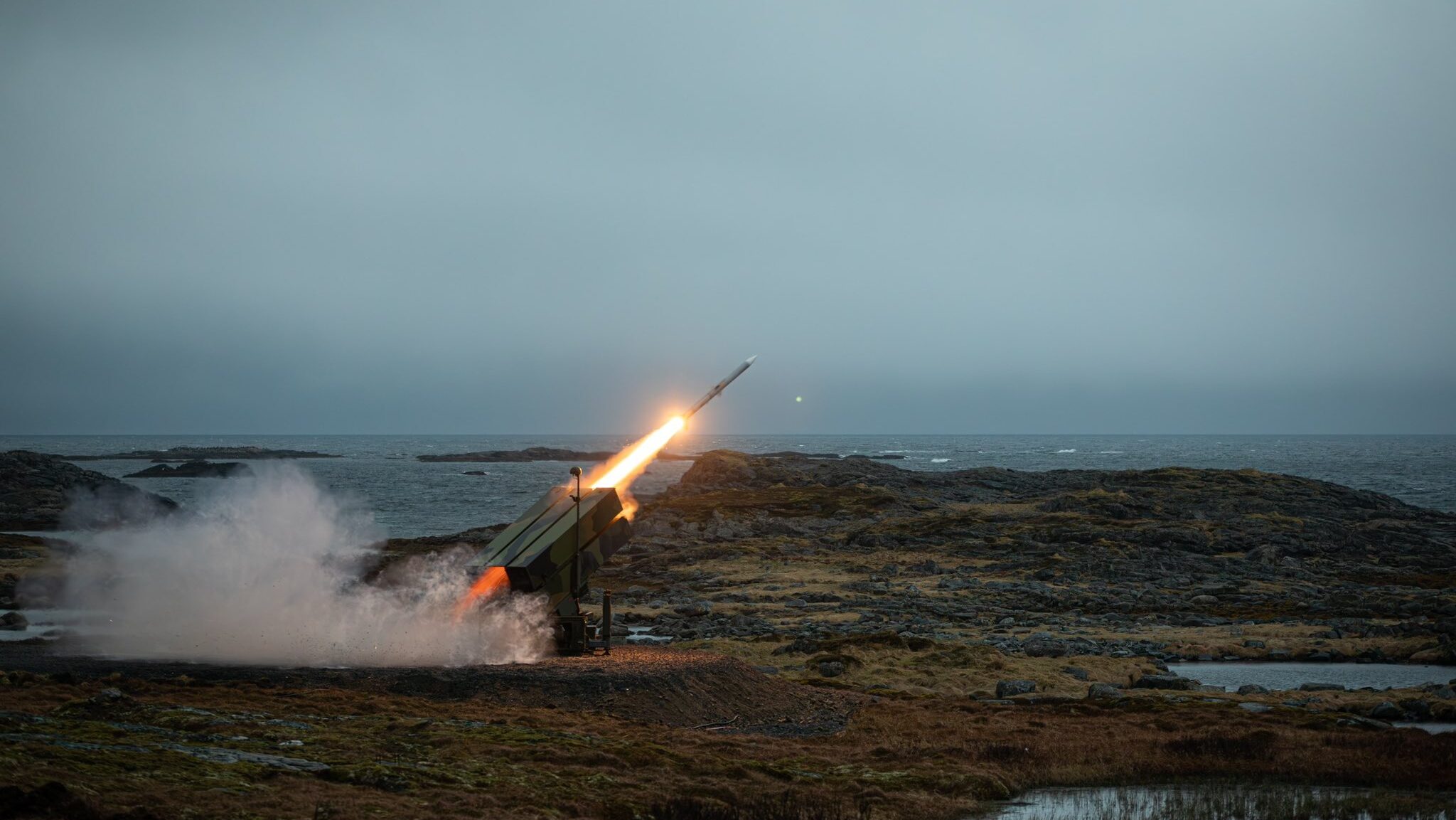
Bjørn Arild Gram, Norway’s minister of defense said the agreement “lays the foundation” for developing NASAMS against future threats, although no details have been released about how the system will be matured specifically.


Cybersecurity skills must evolve in near-real time as Zero Day threats continue and AI provides new challenges.

Six LTAMDS radars are being tested in parallel to speed this transformational warfighting capability to U.S. Army and international air defense forces.
A Raytheon spokesperson said an upgraded domestic variant of the missile would be fielded “by the end of the year,” with an international variant expected to pass a critical milestone in “late 2023 or early 2024.”
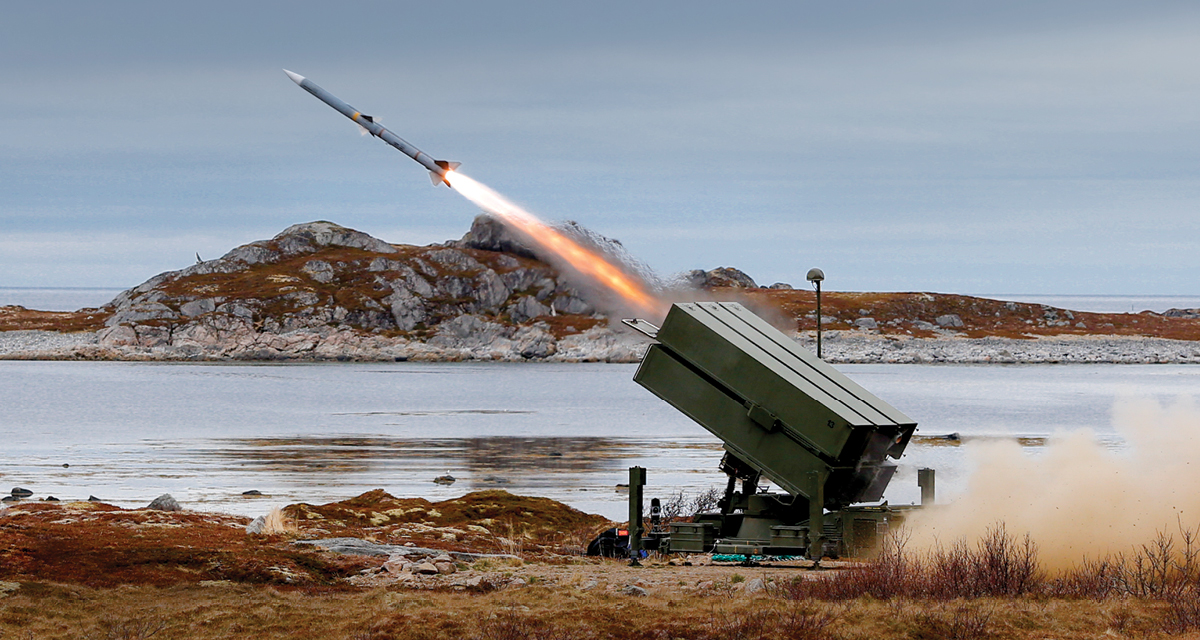
Raytheon integrated air defense systems — advanced radars, command and control systems and interceptors — form a multi-layered shield for air base defense.

Advanced solutions for a layered defense against complex threats.